










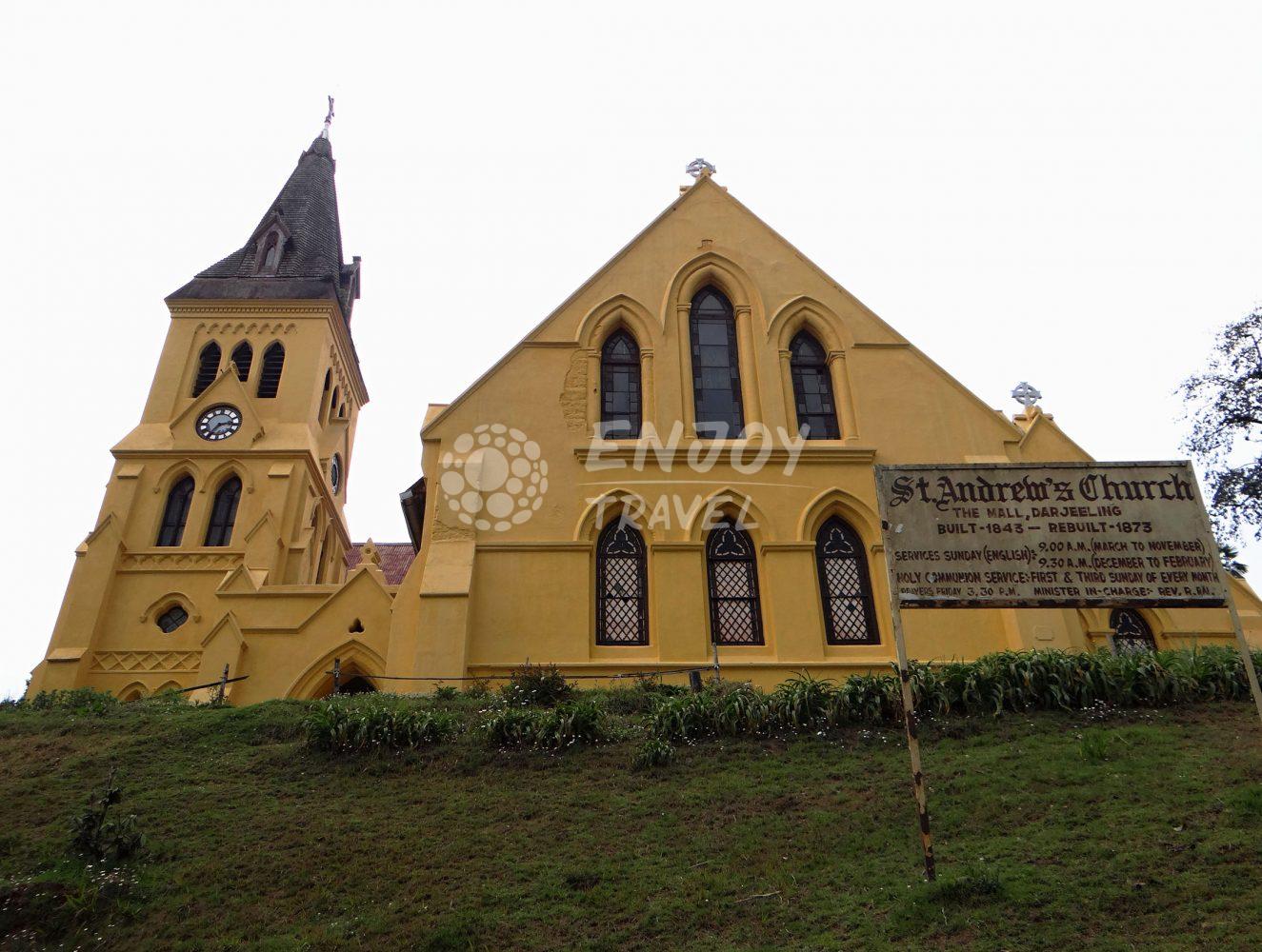
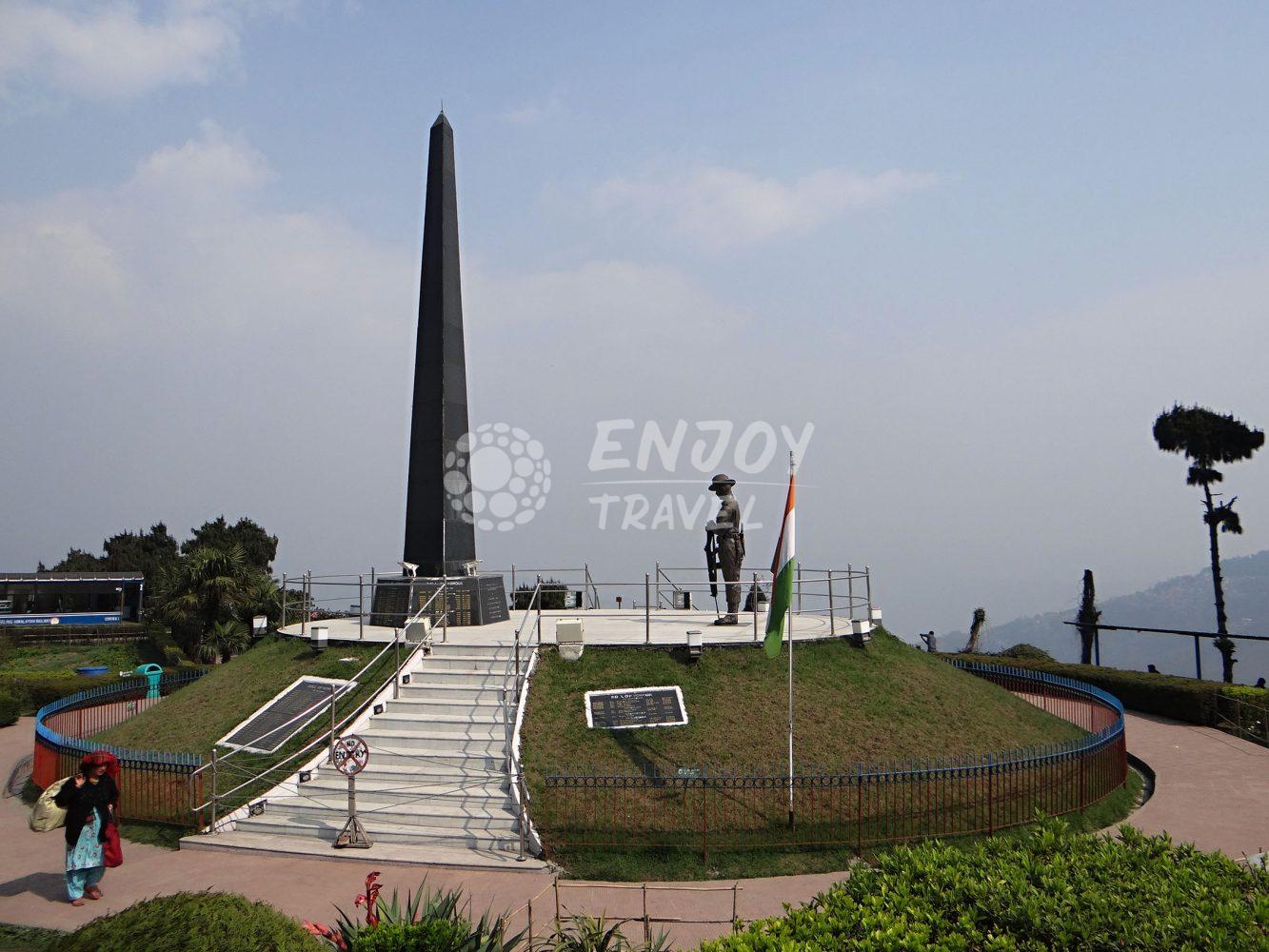
- Darjeeling – the city of tea; a unique ride on the narrow-gauge Toy Train
- Kalimpong – the city of flowers; short safari in Mahananda Wildlife Sanctuary
- Gantok – capital of Sikkim
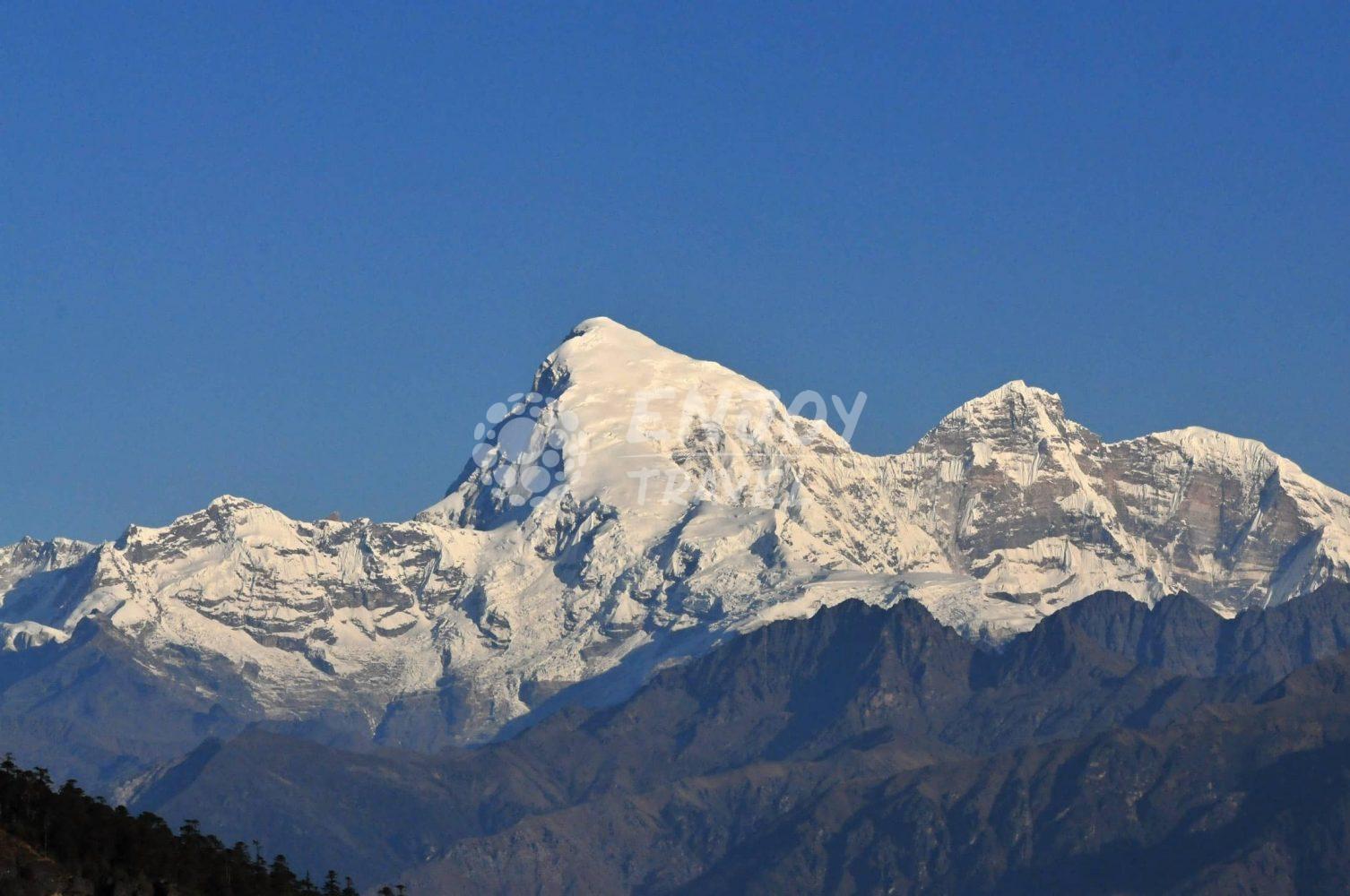
- Himalayan panorama with Kanchenjunga, the third highest mountain in the world
- Ancient monasteries of Sikkim, India
- Thimpu – the capital of the Buddhist Himalayan kingdom with a distinctive tradition
- Tagcchang – Tiger’s Nest, a unique rock monastery
- Phobjikha – the picturesque valley and the real heart of Bhutan – Bumthang
Tour Program:
1.-2. DAY 2: BY AIR PRAGUE – DELHI – BAGDOGRA
Departure from Prague in the afternoon, evening flight to Delhi. According to flight connections, overnight in Delhi. Next day morning departure to Bagdogra. Transfer to nearby Shiliguri, accommodation.
3. DAY: DARJEELING, NARROW GAUGE TOY TRAIN AND MALL ROAD PROMENADE
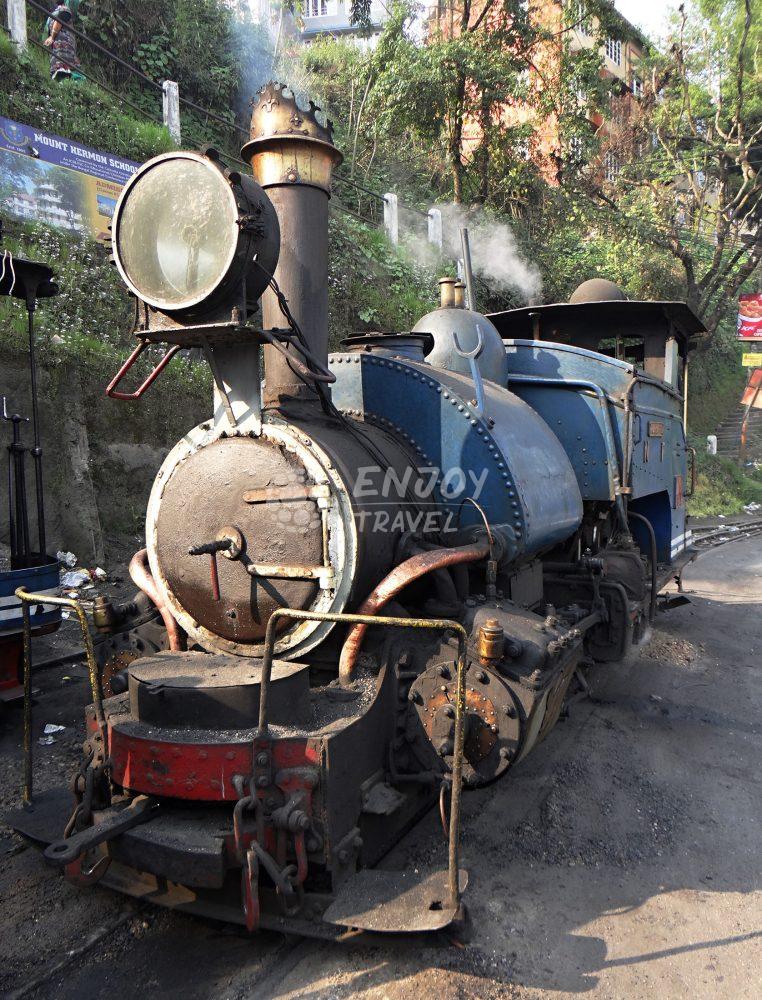
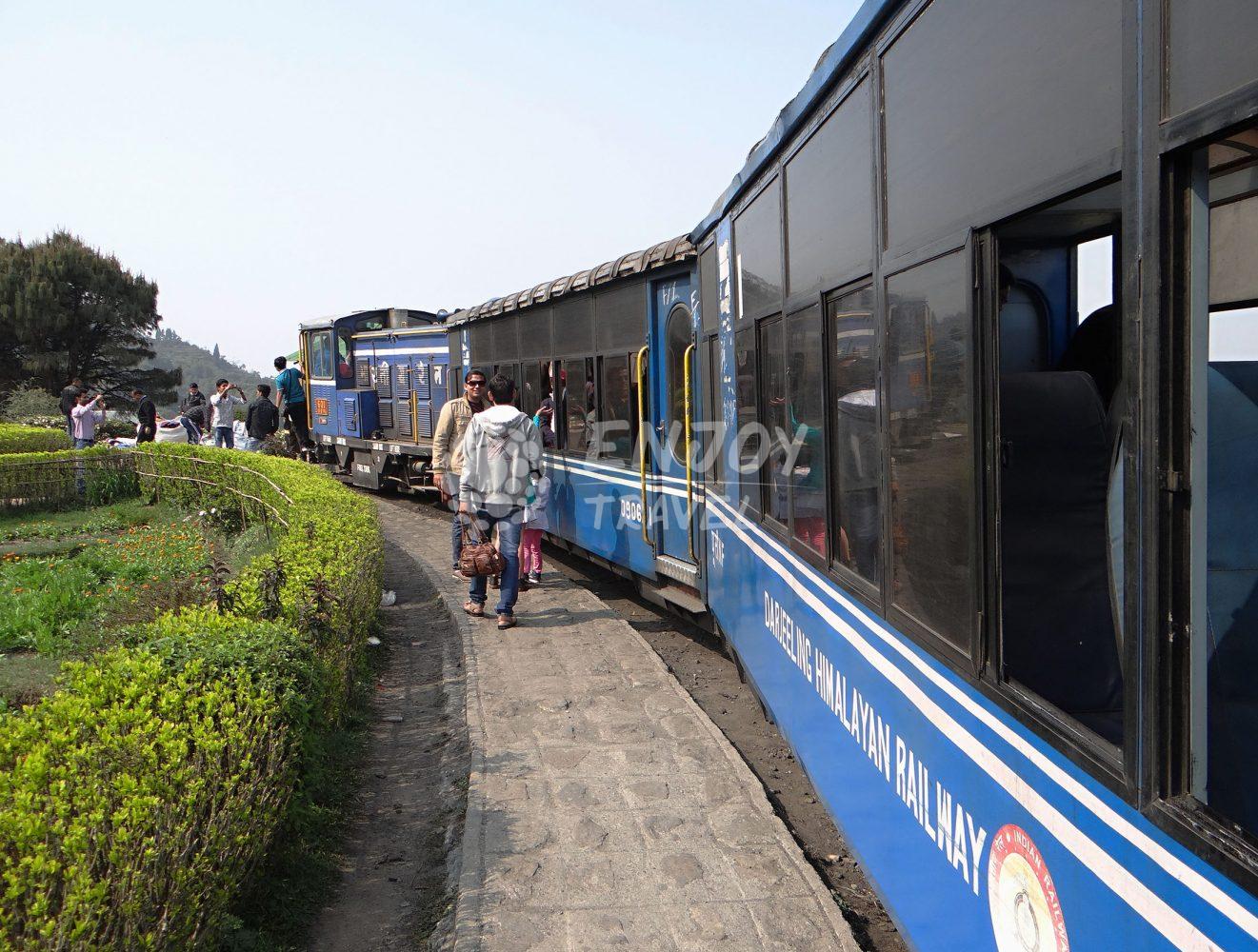
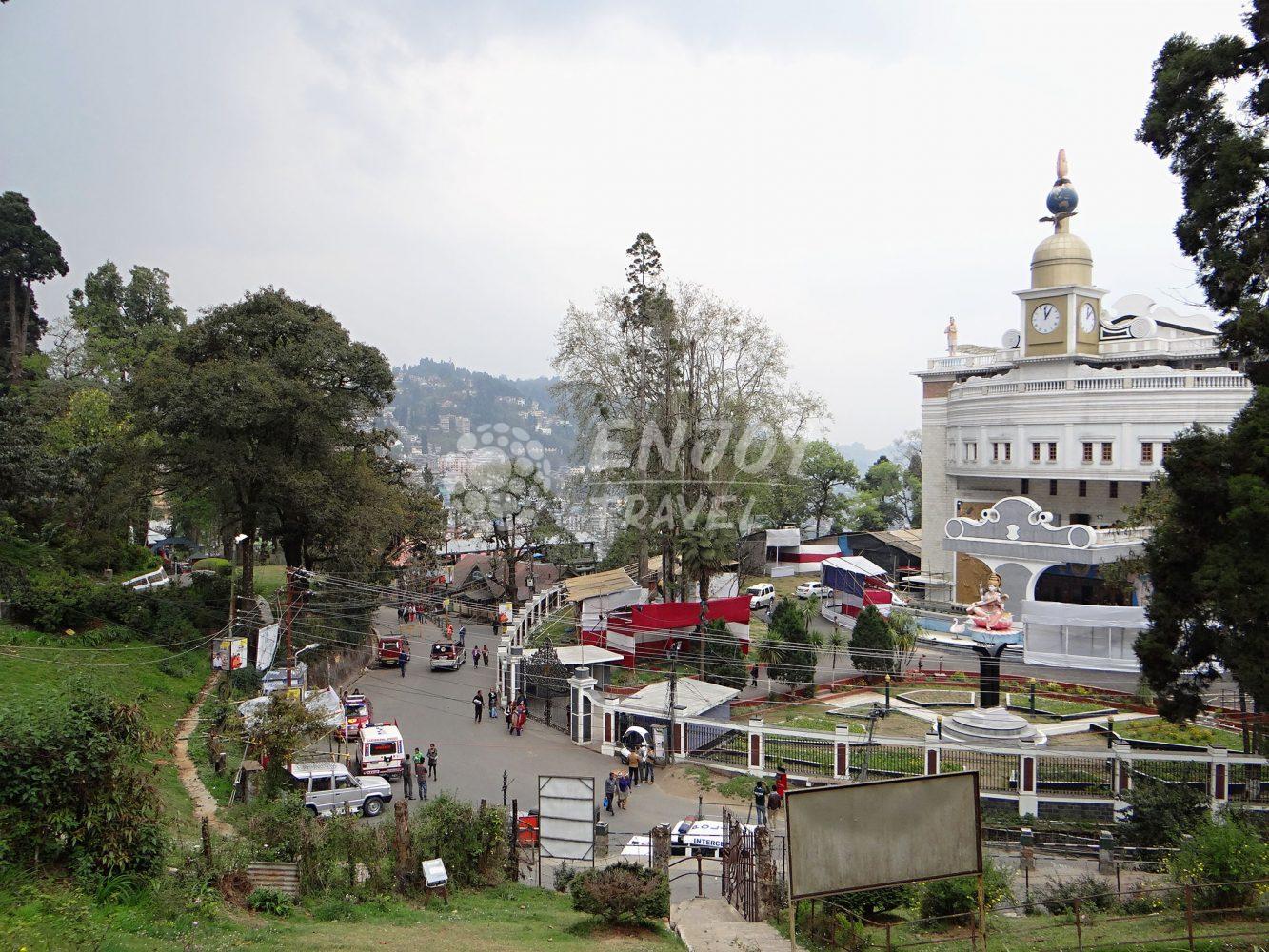
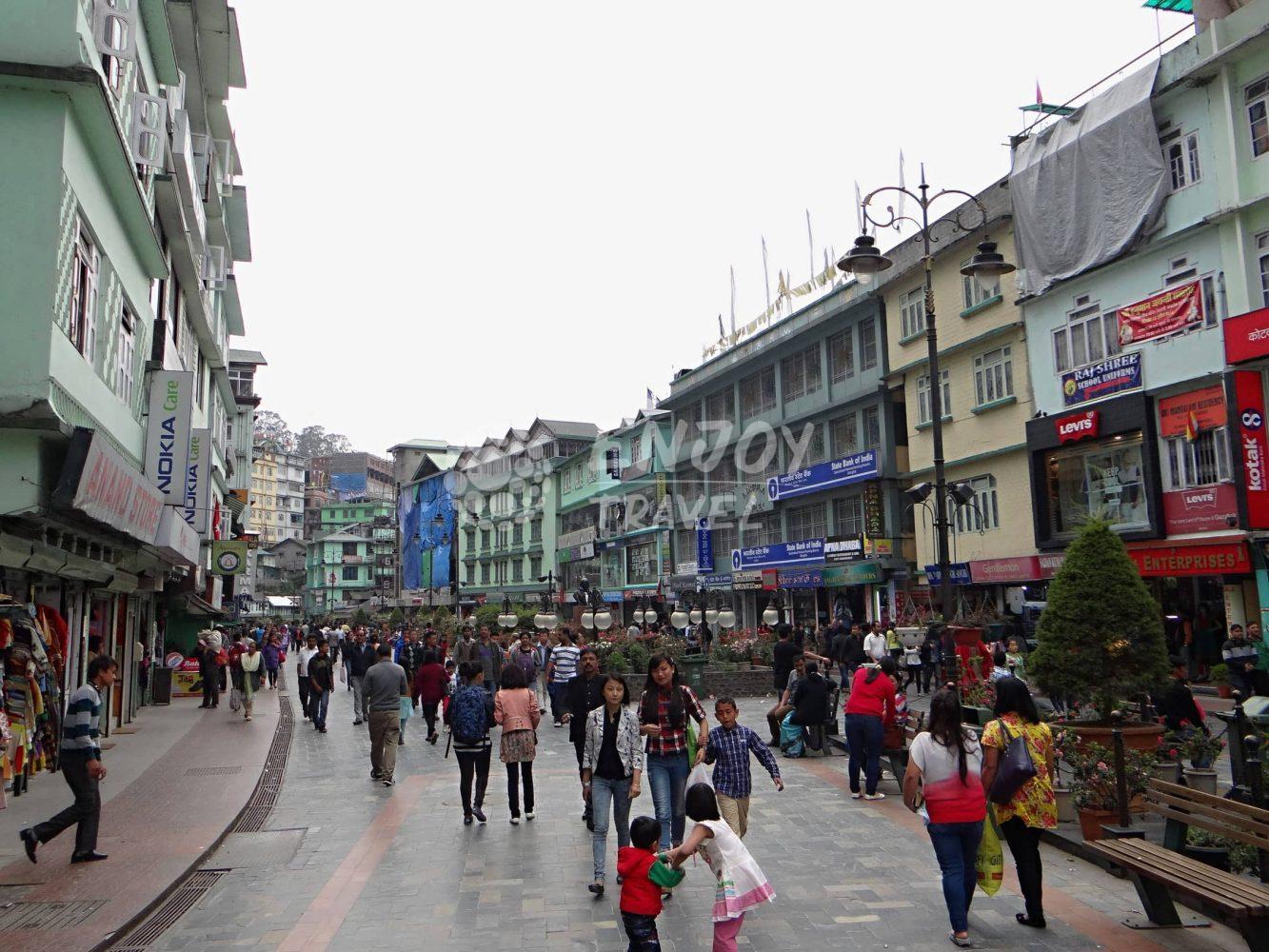
Morning transfer to the train station to Tindharia village. A four-hour ride on the unique narrow gauge railway called Toy Train, a UNESCO World Heritage Site. The track climbs an incredible 2,000 metres and the ride will offer views of the Himalayan massif, dominated by the world’s third highest mountain, Kanchenjunga. Upon arrival in Darjeeling, transfer to the hotel, accommodation. Evening walk along the mountain promenade Mall Road and tasting of authentic Darjeeling tea.
4. DAY 4: DARJEELING
Morning drive to Tiger Hill, watching the sunrise over the Himalayan ridge dominated by Kanchenjunga and Mount Everest/Jomolangma. On the way back visit Ghoom Monastery – the oldest monastery in the area. Before leaving Darjeeling, visit the Himalayan Mountaineering Institute with a museum dedicated to the first ascent of Mt. Everest, the history of the Himalayas and mountaineering. In the afternoon, visit to the tea processing factory and tea plantations of Happy Valley Tea Estate with tasting of one of the finest teas in the world and approximately five hours transfer to the capital of Sikkim, Gantok.
5. DAY: GANTOK
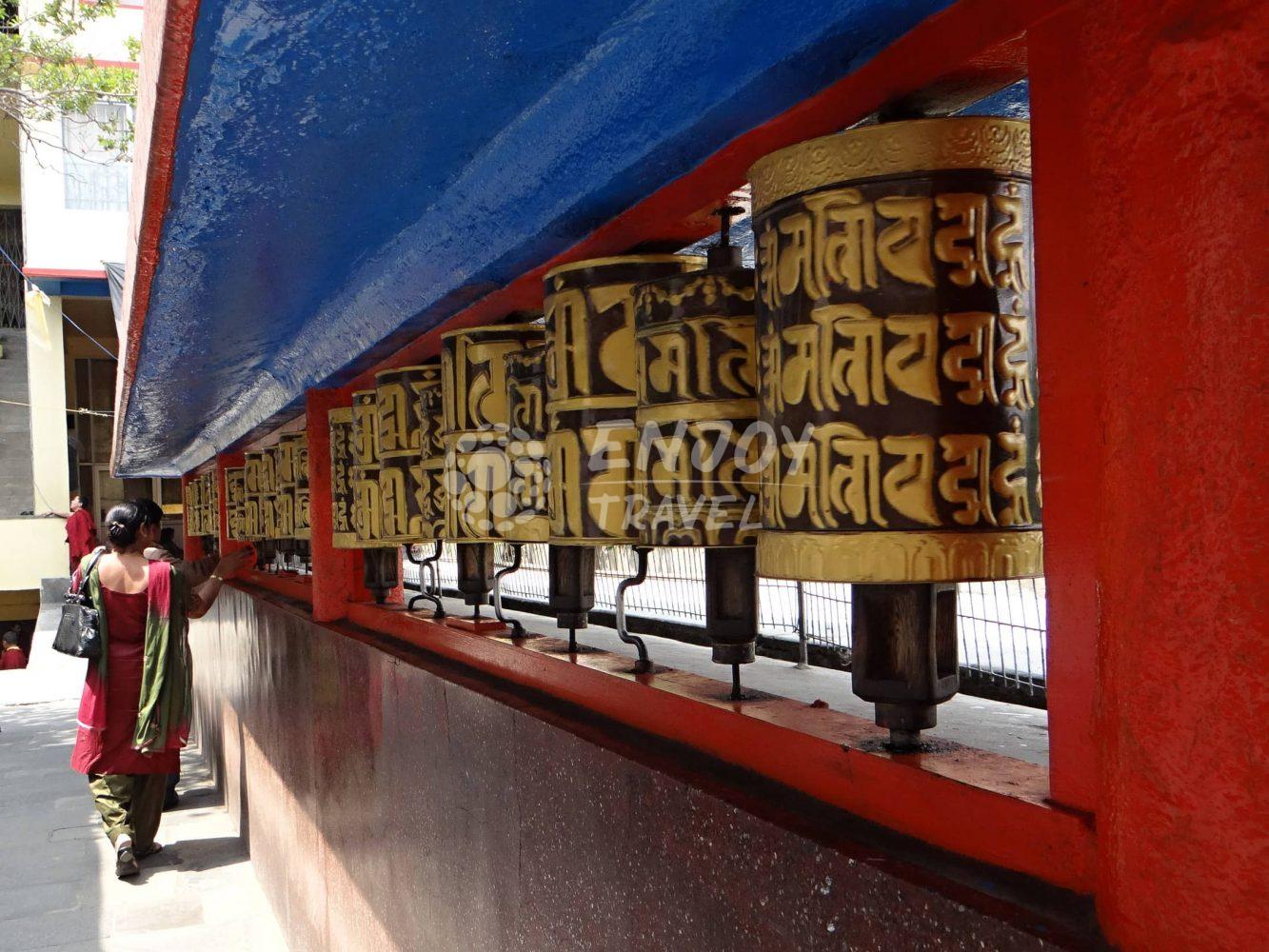
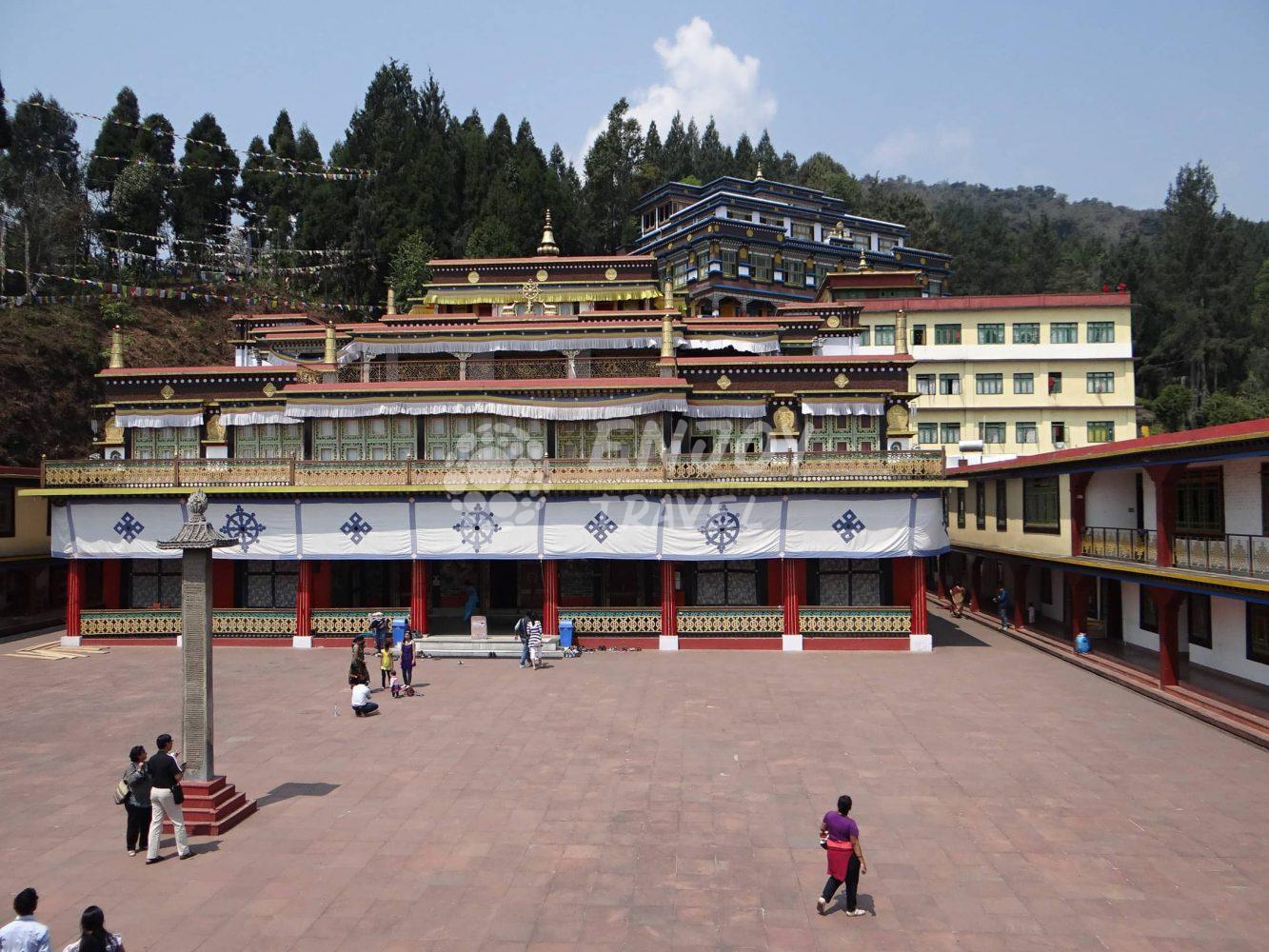
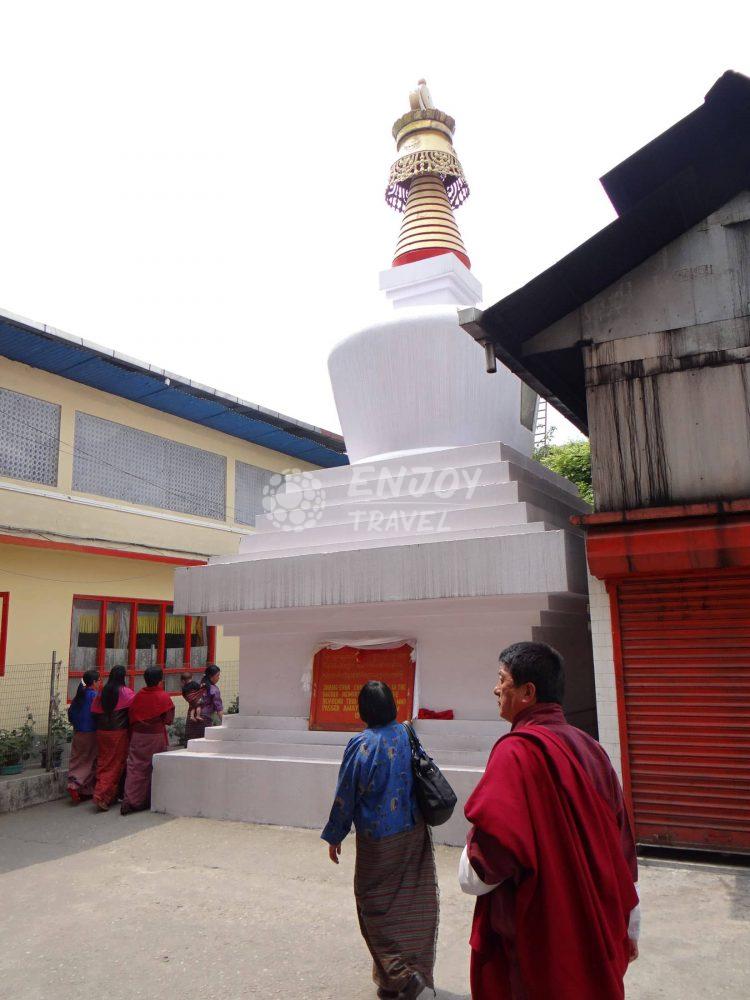
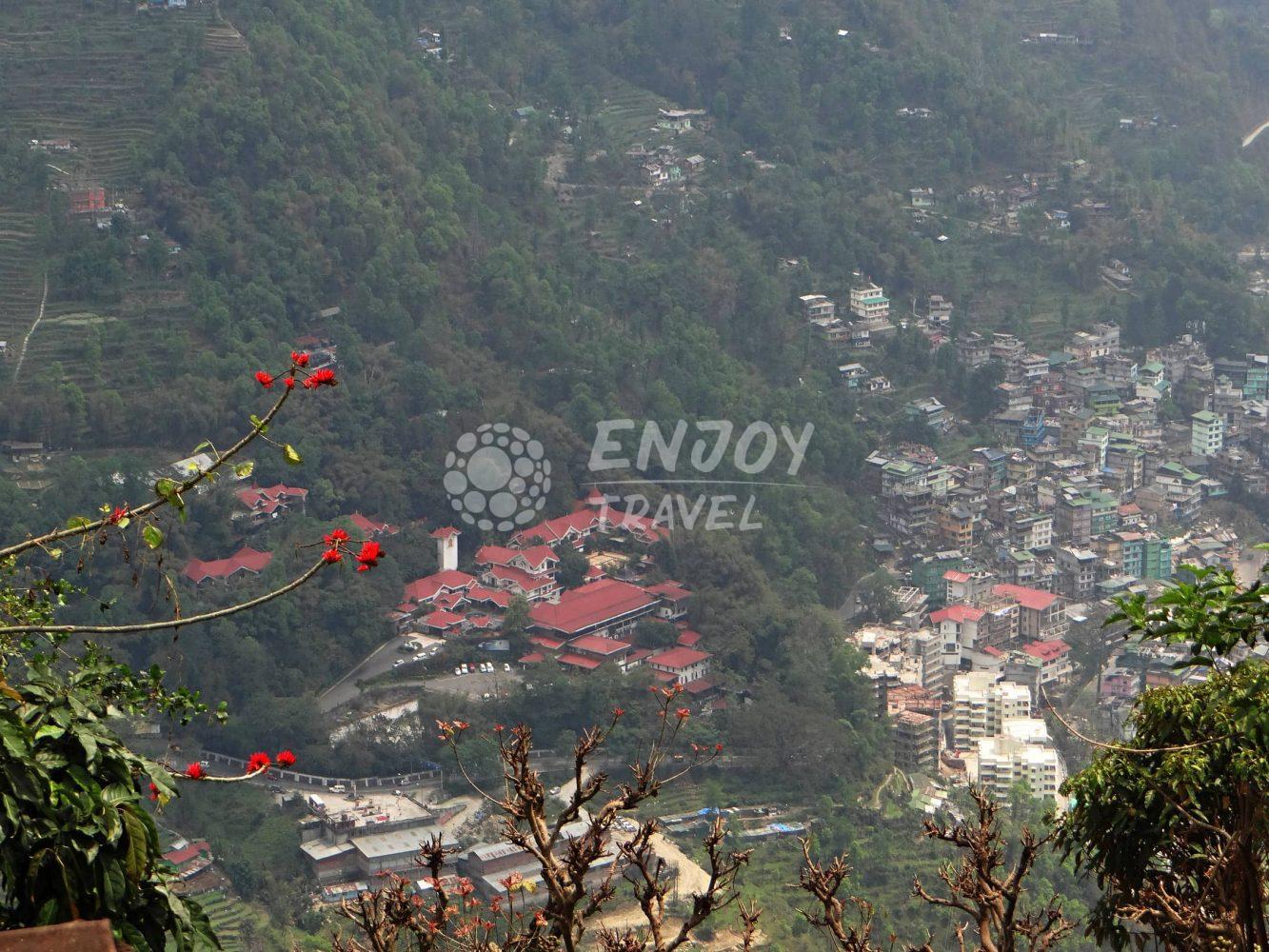
Sightseeing in and around the city: Rumtek Monastery, which is the spiritual centre of the Tibetan exile community and the Kagyupa Buddhist sect; Do-Drul stupa, the most important stupa in Sikkim; Enchey Monastery – over 200 years old monastery on a densely forested hill, seat of the Nyingmapa Buddhist school; Museum and seat of handicrafts and handicrafts – an institute specializing in weaving, painting, woodcarving with typical Sikkimese design. In good weather, take the cable car above the town with amazing views of Gántok and the surrounding area.
6. DAY: KÁLIMPONG
Transfer to Kalimpong, three hours away, a peaceful mountain resort known as the “City of Flowers”. During the journey, stop at Triveni at the confluence of the Tista and Ranjit rivers, where the two mighty rivers merge into one in incised canyons between densely forested hills. On arrival in Kalimpong, visit the monasteries of Zangdongpolri, which houses rare scriptures brought to India after the invasion of Tibet, and Tharpa Chholing. Visit the famous floriculture school in Kalimpong, which exports up to 80% of India’s marigolds and other exotic flowers.
7. DAY 7: MAHANANDA WILDLIFE SANCTUARY, SHILIGURI
From Kalimpong return back to Shiliguri, en route visit Mahananda Wildlife Sanctuary, a wildlife sanctuary. A short safari with game viewing. The sanctuary is a sanctuary for the protected Indian gaur and Bengal tiger, also home to the Himalayan porcupine, eared bear, clouded leopard, Indian elephant, sambar, leopard and many other species of mammals and birds. In the afternoon, visit the Hindu temple complex of ISKCON Temple in Shiliguri, the largest centre dedicated to Krishna in north-east India, which combines modern architecture with tradition.
8. DAY 8: FLIGHT TO BHUTAN, THIMPHU
Morning flight from Bagdogra to Para, Bhutan. Afternoon transfer to the capital city of Thimphu, located in the central part of Bhutan, accommodation, free evening.
9. DAY: THIMPHU
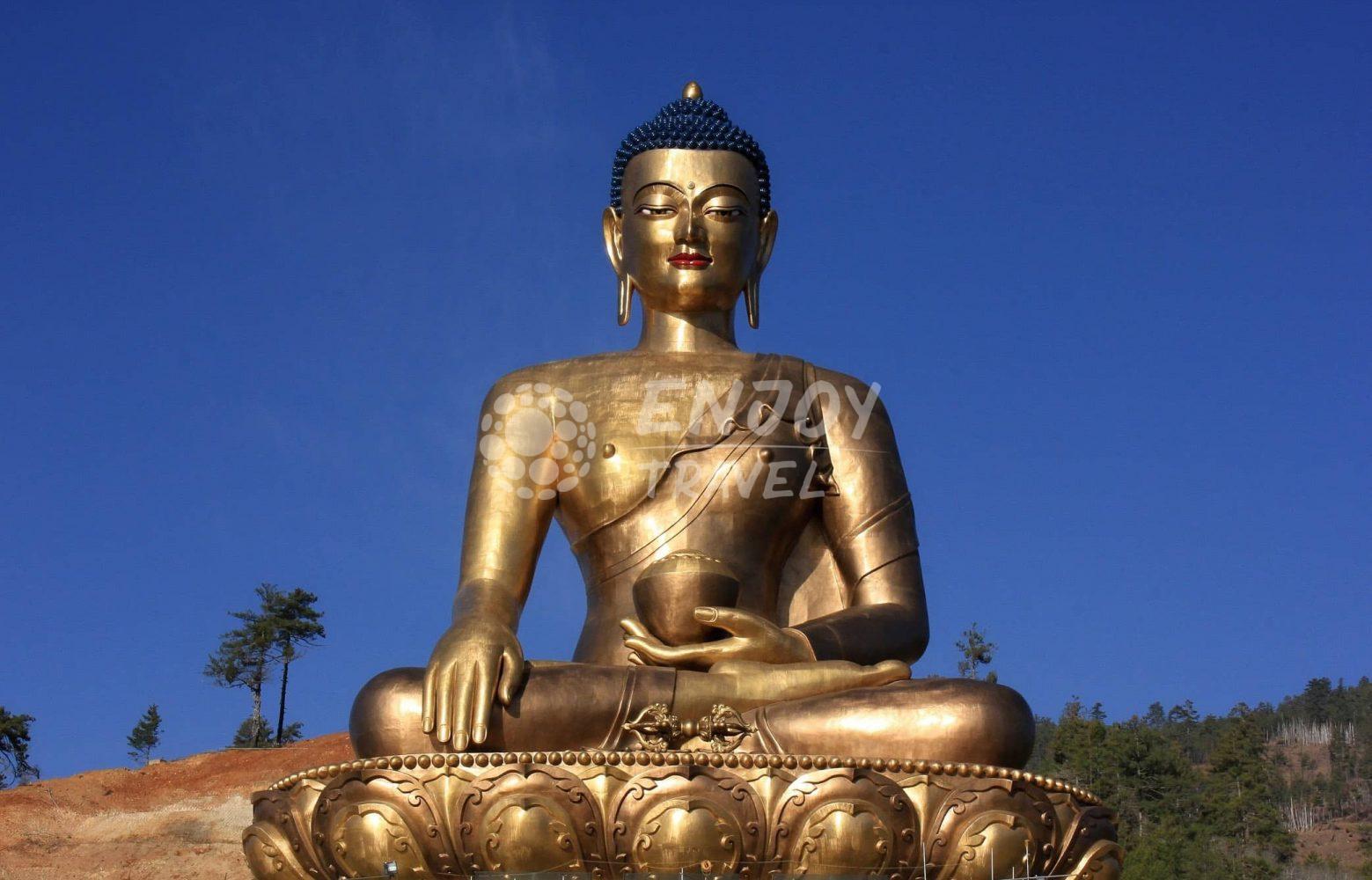
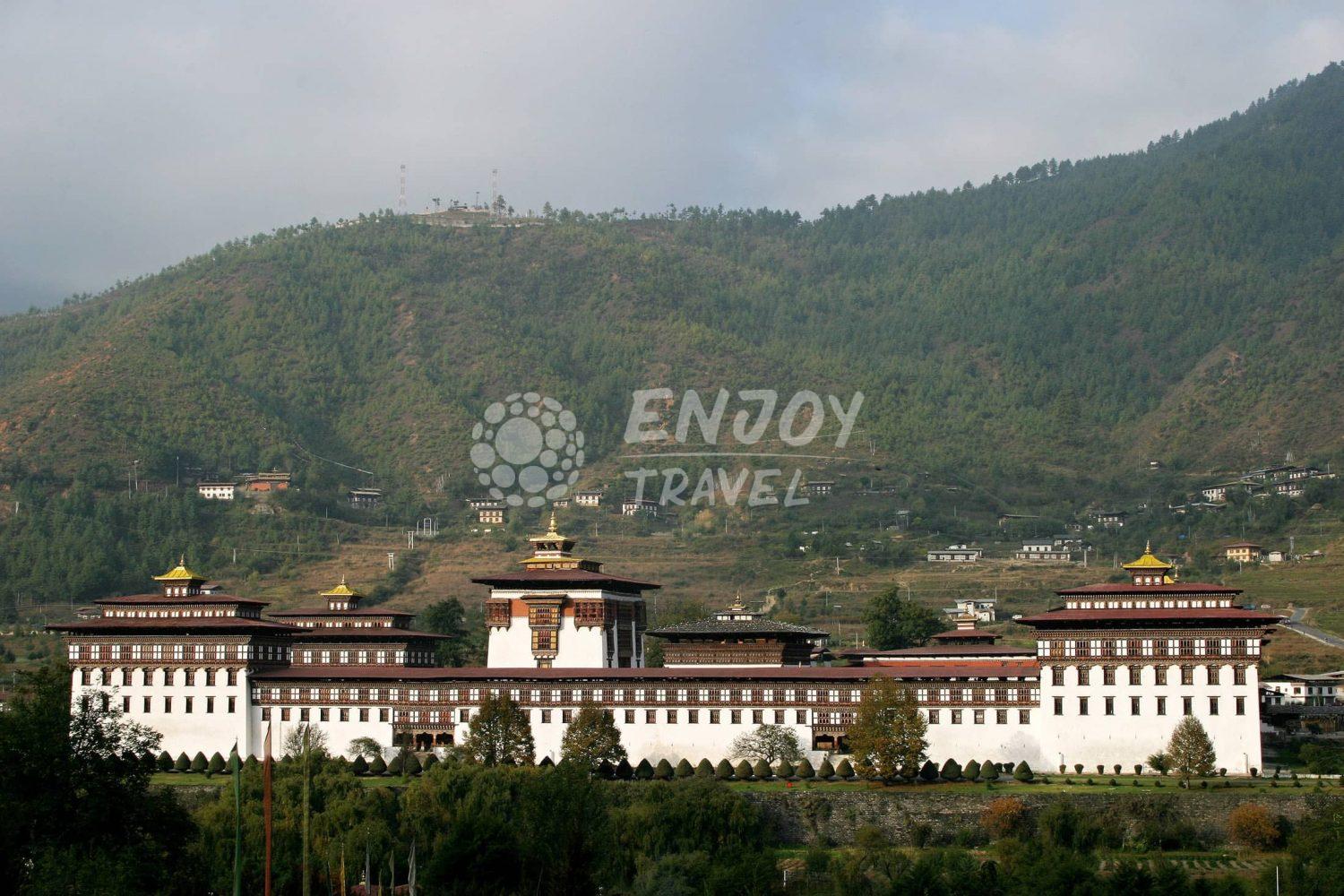
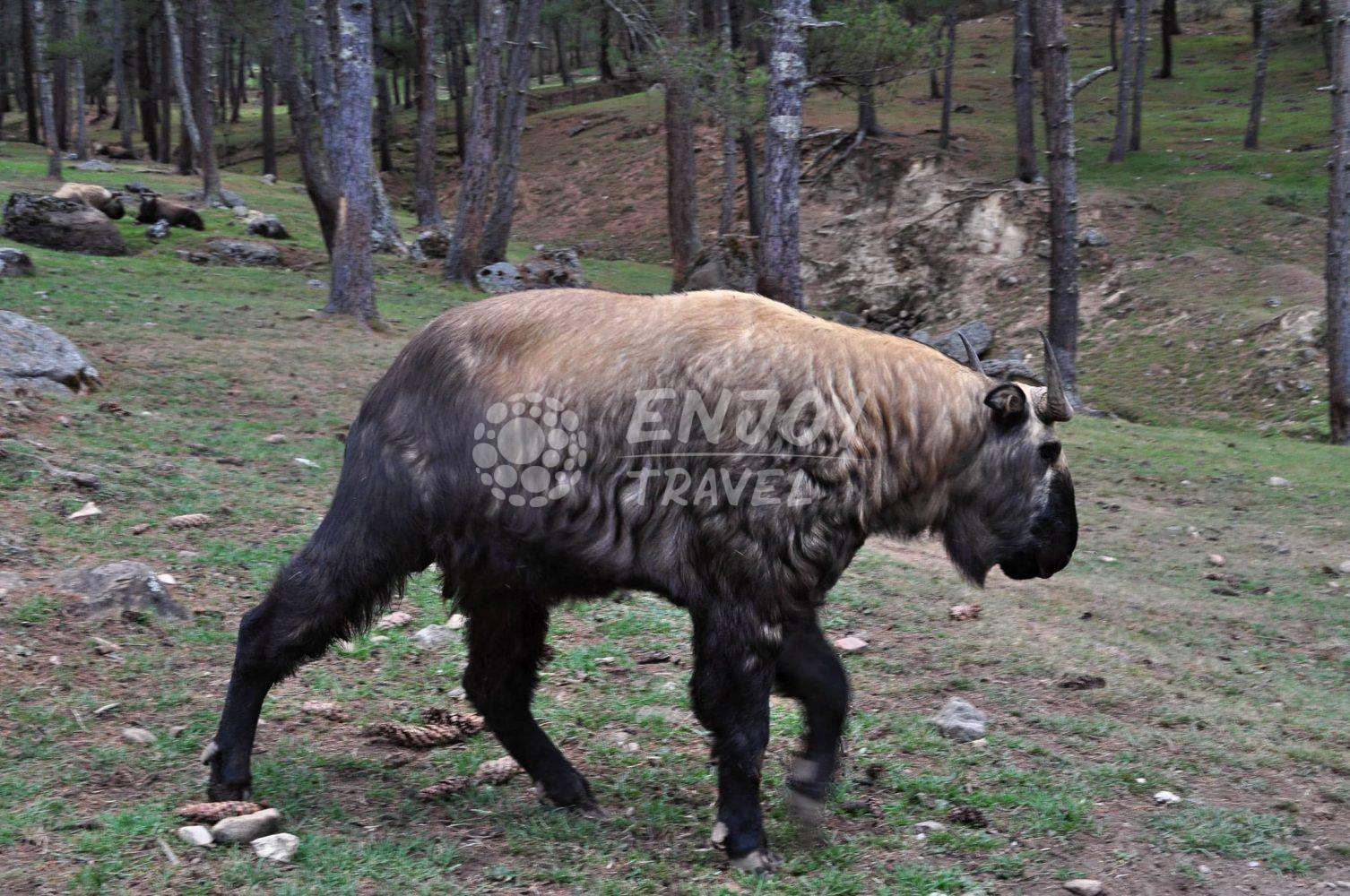
In Thimphu, tour the takin enclosures (Bhutan’s national animal), visit the Bhutanese fortress of Tashichho (seat of government), the National Library with volumes of ancient Buddhist manuscripts and the Institute of Traditional Medicine. Stop at the Giant Buddha Dordenma statue above the centre of the capital, with fine views of the valley. In the early evening, optional short drive to Dodena and climb through an oak grove to Cheri Monastery, high above the Thimphu Valley (approx. 9 km).
10. DAY: PUNAKHA
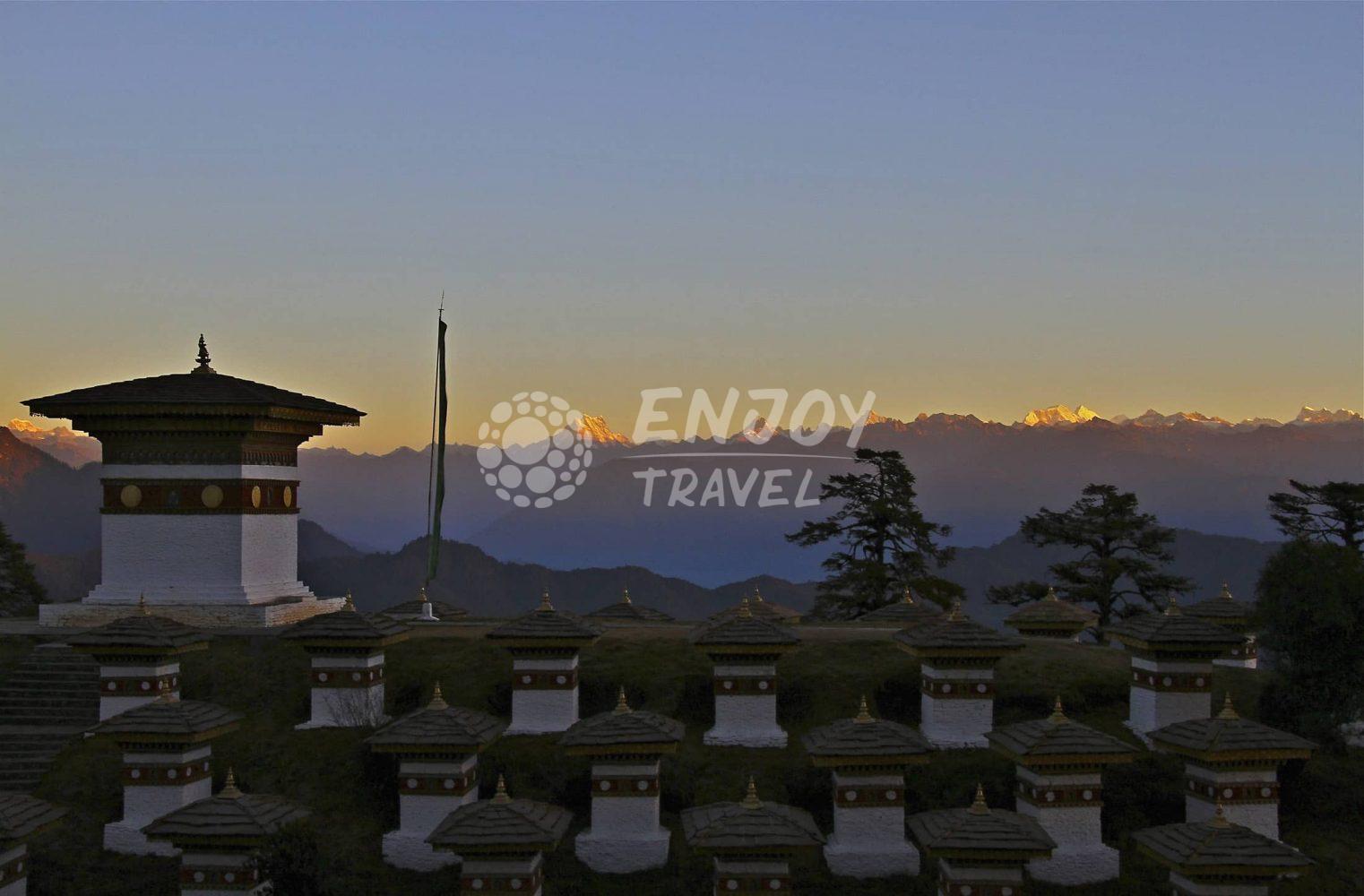
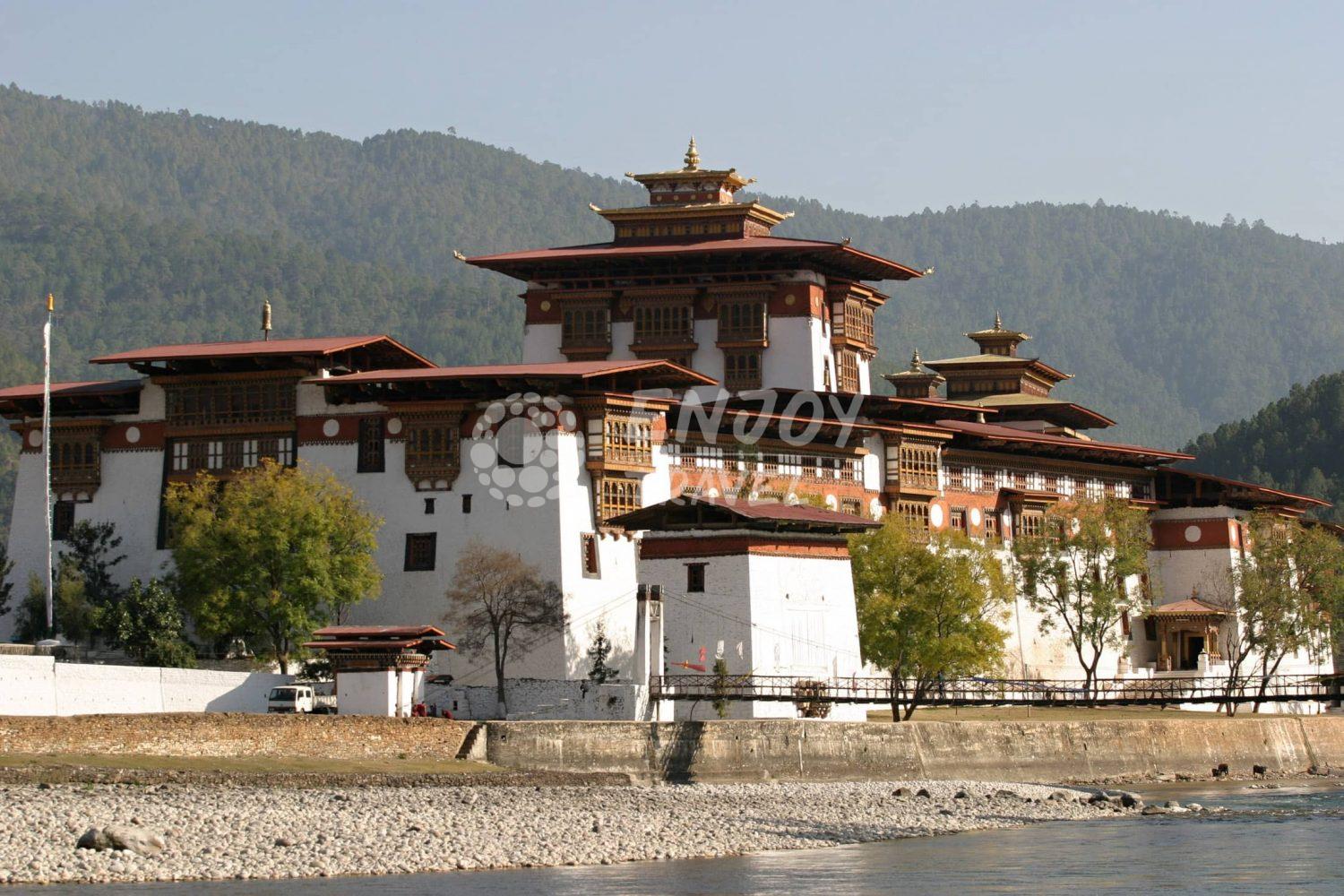
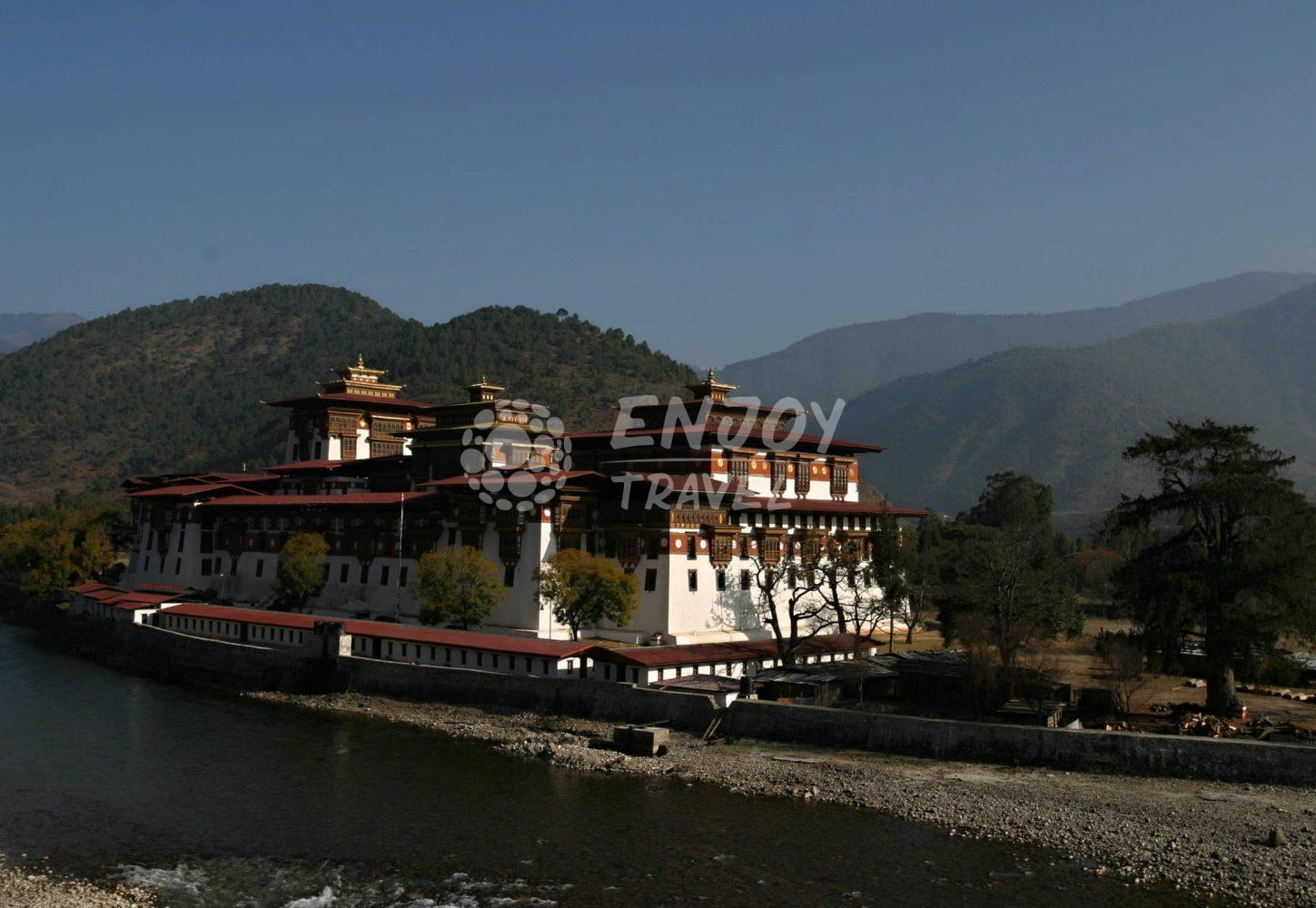
Morning transfer from Thimphu to Punakha via the Do-chula saddle (3050 m), from which you can observe the panorama of the Himalayan seven-thousanders, including Bhutan’s highest mountain Gangkar Punsum (7497 m). On arrival in Punakha, visit the local fort (Punakha Dzong), at the confluence of the Pho and Mo rivers, which has played an important role in Bhutanese history. In the afternoon, a walking tour to Chimi Lhakhang Monastery – a fertility temple associated with the legendary monk-priest Drukpa Kinley.
11. DAY 11: PHOBJIKHA VALLEY, GANGTEY
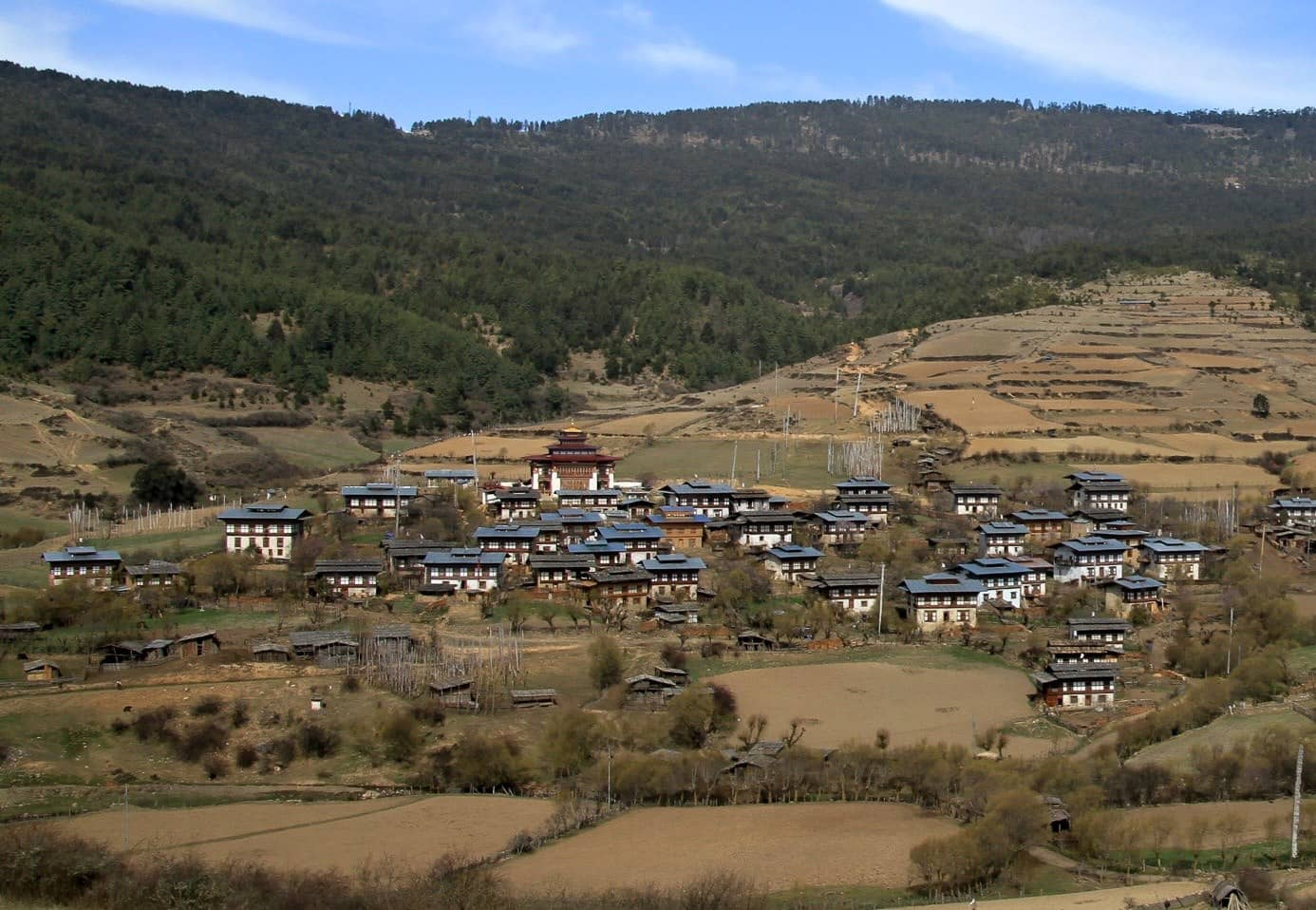
Drive from Punakha to Phobjikha valley, stopping en route at Wangdi Phodrang, one of the most beautiful dzongs in Bhutan. A short hike from the fort through small settlements with beautiful views to the Wangdi valley. Afternoon transfer to Gangtey, a village tour with a visit to Gangtey Gompa Monastery, the only monastery of the Nyingmapa school of Tibetan Buddhism in the area. In the evening, relax in a traditional hot stone bath (optional) at a local farm in the Phobjikha Valley and recharge your batteries for further travel adventures. Overnight at a local farm.
DAY 12: PHOBJIKHA VALLEY
Morning walking tour with a visit to the Information Centre for the rare Black-necked Cranes, which have a seasonal breeding ground in this area. At the information centre you will learn more about the natural and cultural history of the area. In the afternoon, transfer to Trongsa, stopping en route at the Chendebji Chhörten, said to have been inspired by Nepal’s important Buddhanath and Svayambhoonath stupas in Kathmandu.
DAY 13: TRONGSA, BUMTHANG
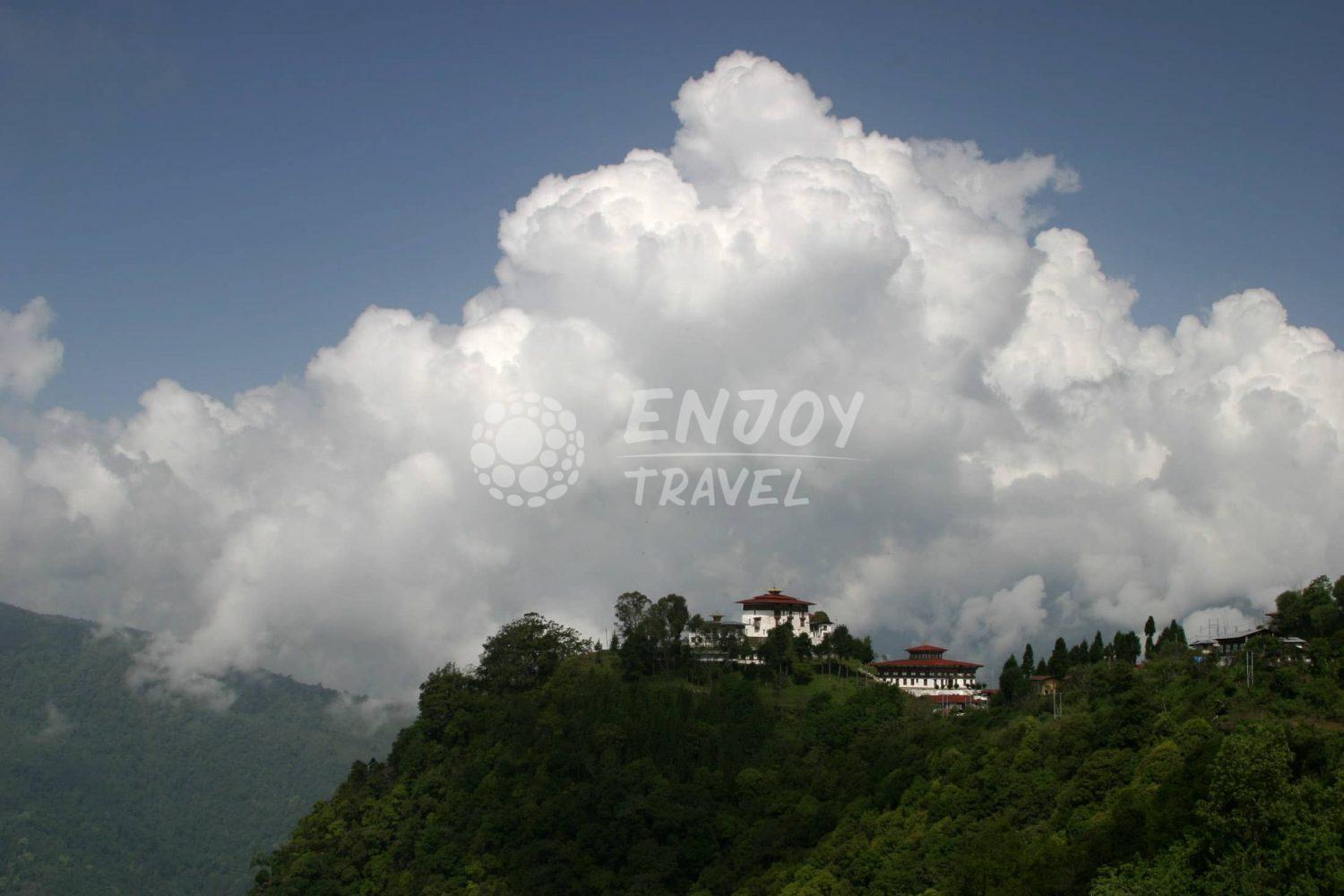
Visit the imposing Trongsa dzong, built in 1648, which was the seat of the first and second kings of Bhutan. Transfer to Bumthang, an area of four valleys lying at 2600-4000m, also known as the “heart of the country”. The road passes through the Jutong-la saddle at 3425 m with unforgettable views of the Chhumei valley. On arrival in the village of Jakar, visit the small temples in the area with the oldest murals in Bhutan. In the afternoon, visit the local famous cheese factory and the small local brewery Red Panda. Overnight in Bumthang.
DAY 14: BUMTHANG
Transfer to the picturesque Tang Valley to Mebar Tsho (the so-called “burning lake”), one of the most sacred sites in the region. Pema Lingpa, who is believed to be an incarnated disciple of Padmasambhava, discovered a treasure inside the lake in ancient times. In the afternoon, transfer to the Ugchenchholing Palace, which today houses a museum that allows you to be transported to another world and time (history and tradition of Bhutan). Return to Bumthang.
DAY 15-16: PARO, TAGCCHANG GOMPA – “TIGER’S NEST”
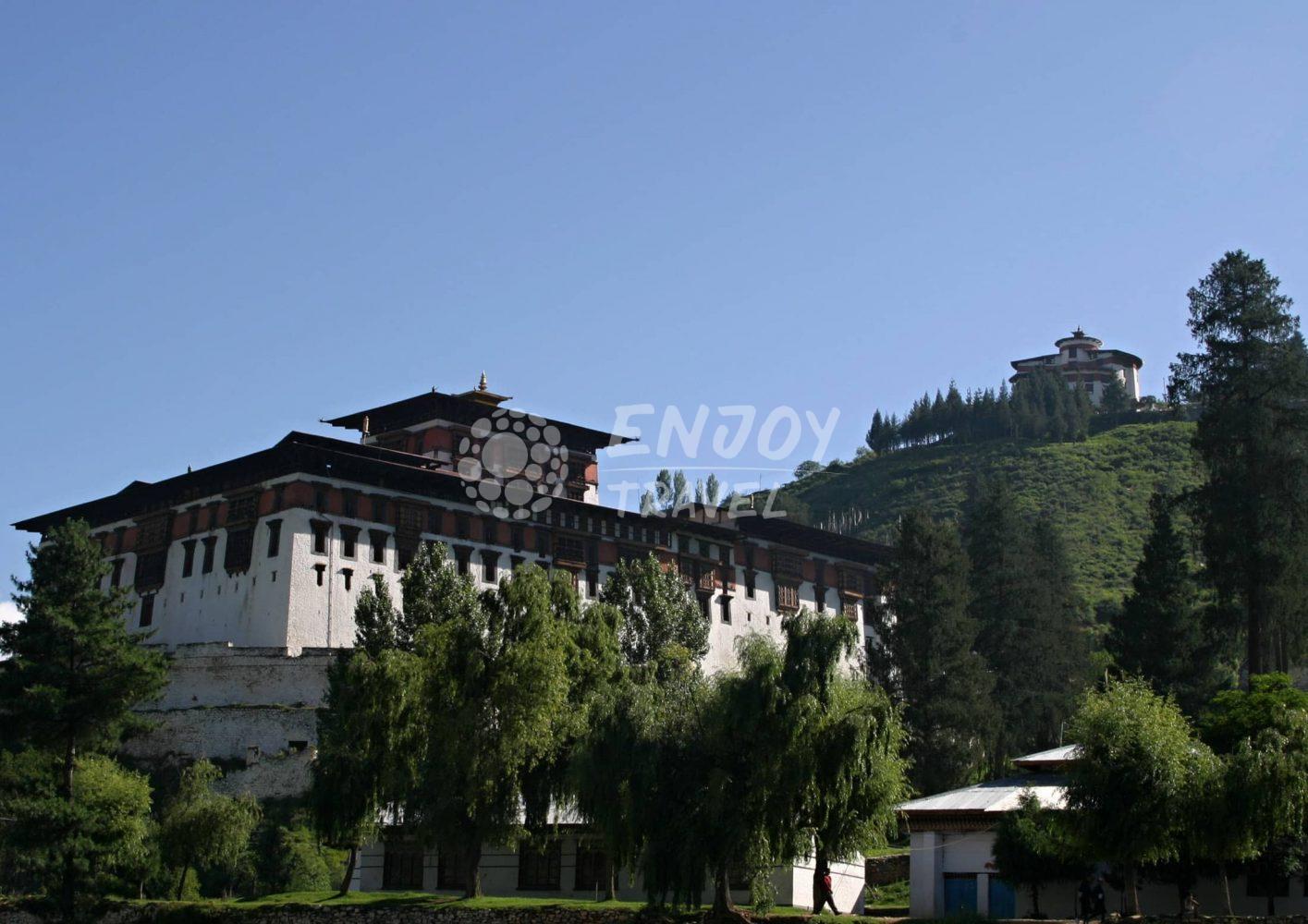
Morning flight to Paro, on arrival visit the National Museum (Ta Dzong), which was once a watchtower, and Rinpung Dzong, a monumental fortress that now houses the district government office and a judge. The following day, hike to Bhutan’s most famous monastery, Tagcchang gompa – the “Tiger’s Nest”. The monastery was built high on a rocky promontory at 3120m. On the way back, you will visit the ancient Bhutanese shrine of Kyichu Lhakhang, built in the 7th century by the Tibetan ruler Songcän Gampo.
DAY 17-18: BY AIR PARO – DILI – PRAGUE, WITH OVERNIGHT STAY IN DILI
Further information
Price includes – common for both countries:
- international airfare Prague – Delhi – Prague (included in the price 12 000 CZK)
- information materials
- CK insurance against bankruptcy
Price includes – Bhutan:
- Local English speaking guide and Czech guide
- 1x international flight Bagdogra – Paro
- 1x international flight Paro – Delhi
- 1x domestic flight Bumthang – Paro
- complete minibus transportation in Bhutan
- accommodation – 8x in a hotel level 3*** in a double room (2x Thimphu, 1x Punakha, 1x Trongse, 2x Bumthang, 2x Paro)
- accommodation – 1x on a farm in the Phobjikha valley in a double room
- full board meals
- Bhutanese visa and its arrangement
- entrance fees to heritage sites
- government fee and tax
Price includes – India:
- Local English speaking guide and Czech guide
- 1x international flight Delhi – Bagdogra
- transport by minibus in Delhi, Shiliguri and off-road cars in Sikkim area
- accommodation – 8x in a 3*** level hotel in a double room (2x Delhi, 2x Shiliguri, 1x Darjeeling, 2x Gantok, 1x Kalypong)
- half board meals
- permit for entry to Sikkim
- entrance fee to heritage sites
- short safari with game viewing in Mahananda Wildlife Sanctuary
- Train ticket for Toy Train on the route from Tindhari to Darjeeling
Price does not include – common to both countries:
- Indian visa (see info below, price approx. 2500 CZK),
- baksheesh for drivers and guides
- other meals
- other transport in the cities
- insurance for medical expenses or cancellation fees (we are happy to arrange)
- single room supplement – 16 500 CZK/person/trip
Optional service – payable locally:
- traditional hot stone bath – 20 USD/person
Indian visa and Bhutan visa
India:
All citizens of the Czech Republic require a valid Indian visa to enter, transit and leave India. In case of this tour, we can apply for the so called Indian e-VISA electronic tourist visa. Before leaving for India, each of you will receive a so-called Electronic Travel Authorization by email, on the basis of which you can arrive in India and obtain an e-visa at the border crossing.
Payment of the visa fee is USD 80 + bank fee (up to 2.5% of the visa fee). The fee is payable online exclusively by VISA or MASTERCARD debit or credit card. We will send you detailed instructions on how to apply for an Indian visa well in advance of your tour departure.
Bhutan:
Bhutan visa is included in the tour price. It is not administratively difficult to obtain and will be handled by our Bhutanese partner. We will send the visa form with the necessary details required for obtaining the visa in detailed instructions prior to departure for the tour.
Meals:
Almost all meals are included in the tour price, full board in Bhutan and half board in India. So you can enjoy a variety of both these cuisines. The typical features of Indian cuisine include a variety of spices, vegetarian dishes predominate and the main ingredients are rice, cereals, pulses, dairy products and vegetables. Bhutanese cuisine mainly uses rice, buckwheat, pulses and various vegetables. Unlike Indian cuisine, it is heavily supplemented with meat, which is served mostly boiled or stewed.
Suitable time of the year to take this programme:
This tour can be taken in two main seasons, except the monsoon season which is from June to September. The spring season, from March to May, is generally hot days with occasional rain showers, which gradually diminish. Magnolia and rhododendron forests bloom beautifully in the foothills of the Himalayas. The period from October to November is characterised by clear skies, slightly cooler weather and generally good visibility.
Organiser.
Note: Programme subject to change.